Knowing how to shut off your water supply quickly can help minimize water damage, protect your property, and prevent a small plumbing issue from becoming a major disaster.
In this guide, we’ll explain exactly how to shut off water during a plumbing emergency, where to find shut-off valves, common mistakes homeowners make, and when to call a professional emergency plumber.
Why You Need to Shut Off Water Immediately During a Plumbing Emergency
Water damage spreads fast. Even a small pipe leak can quickly damage:
- Drywall
- Flooring
- Cabinets
- Electrical systems
- Furniture
- Home foundations
Plumbing experts consistently recommend shutting off the water immediately during emergencies to reduce flooding and structural damage.
Common plumbing emergencies include:
- Burst pipes
- Frozen pipes
- Overflowing toilets
- Water heater leaks
- Major sink leaks
- Washing machine hose failures
- Sewer backups
- Flooded basements
Step 1: Stay Calm and Identify the Problem
The first step is not to panic.
Try to identify:
- Where the water is coming from
- Whether the leak is isolated or affecting the whole house
- If electricity is near the water
- How quickly water is spreading
If the leak is limited to one fixture, you may only need to shut off the local valve instead of the main water supply.
Step 2: Find Your Main Water Shut-Off Valve
Your main shut-off valve controls water flow to the entire home.
In most Vancouver homes, the valve is typically located:
- Near the water meter
- In the basement
- Inside a utility room
- In a crawl space
- Along an exterior wall
- Near where the water line enters the home
Many plumbing professionals recommend locating the valve before an emergency happens.
Common Types of Shut-Off Valves
1. Ball Valve
This type has a lever handle.
- Parallel to pipe = ON
- Perpendicular to pipe = OFF
Simply rotate the handle 90 degrees to stop water flow.
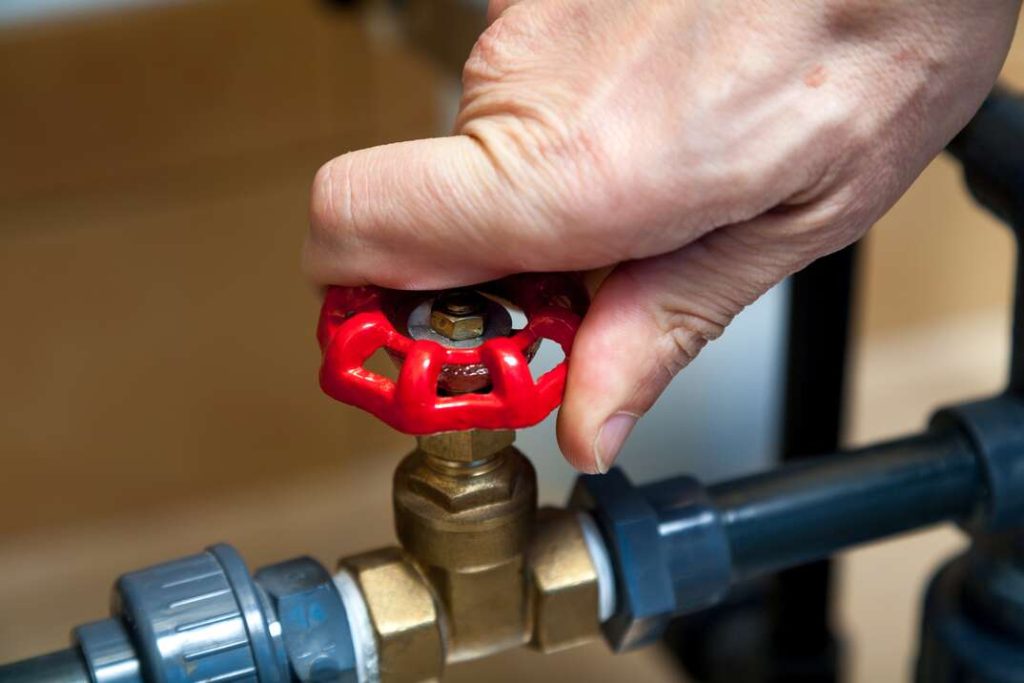
2. Gate Valve
This type uses a round wheel handle.
Turn the handle clockwise until it stops. Avoid forcing old or corroded valves because they can break.
Step 3: Shut Off the Water Supply
Once you locate the valve:
- Turn lever valves 90 degrees
- Turn wheel valves clockwise until fully closed
You should notice water pressure decrease within seconds.
Experts recommend testing the shut-off by opening a faucet afterward to confirm the water stopped flowing.
Step 4: Open Faucets to Drain Remaining Water
After shutting off the main supply, water still remains inside the pipes.
Open:
- Cold water faucets
- Hot water faucets
- Lowest fixtures in the home
- Outdoor hose bibs
This helps relieve pressure and drain excess water from the plumbing system.
Step 5: Shut Off the Water Heater
If the emergency involves:
- Burst hot water pipes
- Water heater leaks
- Major flooding
you should also turn off the water heater.
For Electric Water Heaters
Turn off the breaker at the electrical panel.
For Gas Water Heaters
Turn off the gas supply valve carefully.
Plumbing experts recommend shutting down water heaters during emergencies to prevent overheating or pressure buildup.
How to Shut Off Water to Specific Fixtures
Some emergencies only affect one appliance or fixture.
Toilet Shut-Off Valve
Usually located behind the toilet near the wall.
Sink Shut-Off Valve
Found under the sink cabinet.
Washing Machine Valve
Located behind the washing machine hoses.
Dishwasher Valve
Typically under the kitchen sink.
Turning off localized valves can stop small leaks without affecting the entire house.
What to Do If You Cannot Find the Main Shut-Off Valve
If you cannot locate the shut-off valve:
- Check near the water meter
- Look in crawl spaces or utility rooms
- Contact your local municipality
- Call an emergency plumber immediately
Some older homes may require shutting off water from the street-level curb stop using a specialized tool called a curb key.
What NOT to Do During a Plumbing Emergency
- Do not ignore small leaks
- Do not use electrical devices near standing water
- Do not force corroded shut-off valves
- Do not use open flames on frozen pipes
- Do not delay calling a plumber if flooding continues
Improper handling can worsen water damage and create safety hazards.
Common Plumbing Emergencies That Require Immediate Action
Burst Pipes
Burst pipes can flood a home rapidly and often happen during freezing weather.
Learn more: Burst Pipe Repair Vancouver
Frozen Pipes
Frozen pipes can crack as water expands inside them.
Experts recommend allowing faucets to drip during freezing temperatures to reduce pressure buildup.
Overflowing Toilets
Usually caused by clogs or sewer line problems.
Water Heater Leaks
Can cause flooding and water pressure issues.
Basement Flooding
Often connected to burst pipes, drainage issues, or sewer backups.
How to Prevent Future Plumbing Emergencies
Know Your Shut-Off Valve Location
Every homeowner should know where the main valve is located before an emergency occurs.
Inspect Pipes Regularly
Watch for:
- Corrosion
- Leaks
- Rust
- Water stains
- Moisture buildup
Insulate Pipes During Winter
Proper insulation helps prevent frozen pipes.
Replace Old Hoses and Fittings
Old washing machine hoses and fittings are common causes of sudden flooding.
Schedule Routine Plumbing Maintenance
Professional inspections help identify hidden problems before they become emergencies.
When to Call an Emergency Plumber
You should contact an emergency plumber immediately if:
- You cannot stop the leak
- A pipe bursts
- Water is flooding rapidly
- Your water heater leaks
- You smell sewage
- Water reaches electrical systems
- The shut-off valve fails
- You lose water pressure completely
Emergency plumbing issues can escalate quickly and lead to severe structural damage if ignored.
24/7 Emergency Plumbing Services in Vancouver
At VPS Vancouver Plumbing Services, we provide fast and reliable emergency plumbing services throughout Vancouver, Burnaby, Richmond, North Vancouver, and nearby areas.
Our licensed emergency plumbers are available 24/7 for:
- Burst pipe repair
- Emergency leak repair
- Frozen pipe repair
- Overflowing toilet emergencies
- Emergency drain cleaning
- Water heater emergencies
- Flood prevention services
We respond quickly to help minimize damage and restore your plumbing system safely.
If you’re facing a plumbing emergency right now, don’t wait for the damage to get worse.
Call Our Emergency Plumbers Now
Frequently Asked Questions
Where is the main water shut-off valve usually located?
Most homes have the valve near the water meter, basement, crawl space, utility room, or where the main water line enters the house.
Should I shut off water during a burst pipe?
Yes. Shutting off the main water supply immediately is the most important step during a burst pipe emergency.
Can I shut off water to only one fixture?
Yes. Toilets, sinks, washing machines, and dishwashers usually have individual shut-off valves nearby.
What if my shut-off valve is stuck?
Do not force it. Old or corroded valves can break. Contact a licensed emergency plumber for assistance.
Should I turn off the water heater during a plumbing emergency?
Yes, especially if the leak involves hot water lines or the water heater itself.
How can I prevent burst pipes in winter?
Insulate exposed pipes, maintain indoor heat, and allow faucets to drip slightly during freezing temperatures.
How fast should I call a plumber after shutting off the water?
Immediately. Shutting off the water only stops additional flooding — professional repairs are still necessary.