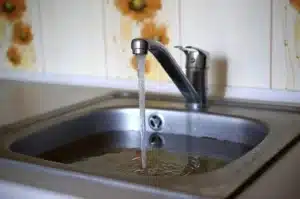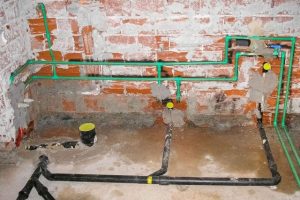

We know exactly how stressful it is to watch water spread across your floors. Panic is a natural reaction, but right now, every second counts. If you are dealing with an active leak, take a deep breath and follow these four exact steps: shut off the water, isolate electricity, take photos, and contain the damage.
🚨 CAN’T STOP THE WATER? If you are in Metro Vancouver and the water won’t stop, step out of the flooded area and call the VPS 24/7 emergency line immediately at (604) 330-1014. Never enter standing water to reach a valve or electrical panel.
⏱️ Your Crucial 5-Minute Checklist
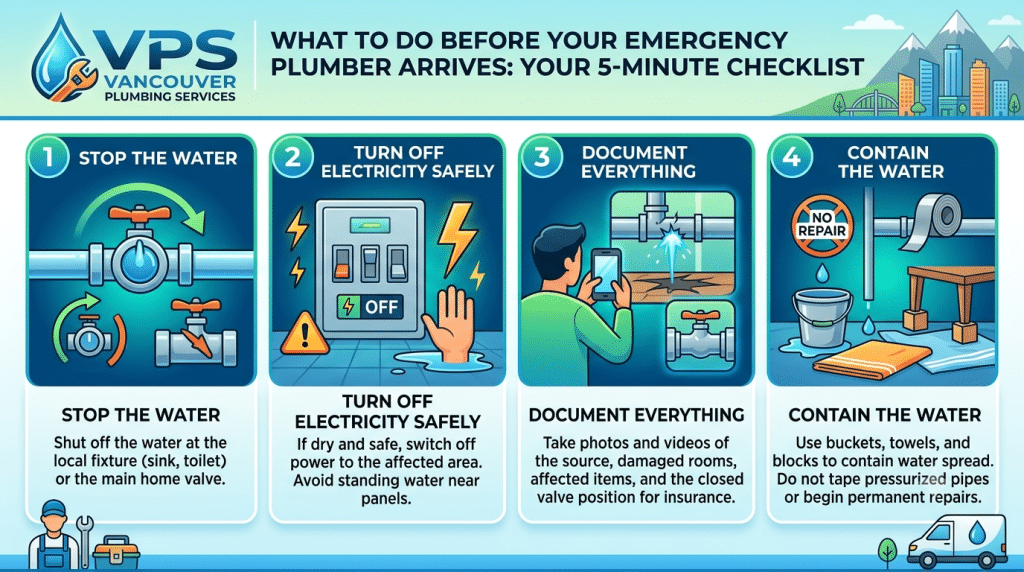
- Stop the water at the nearest safe shut-off valve, or head straight to your home’s main water valve.
- Stay out of standing water. Switch off affected power only if your electrical panel is completely dry and safely reachable.
- Document the scene. Snap quick photos of the source, affected rooms, damaged items, and the shut-off valve’s position.
- Contain the mess. Grab buckets and towels to limit the spread. Do not attempt to tape a pressurized pipe or tear down drywall yourself.
Why the First 5 Minutes Decide Your Repair Bill
As an emergency plumber in Vancouver, we often see that the actual pipe repair is just a small fraction of the total cost. The real damage to your wallet comes from what the water ruins before it stops flowing.
Water contained on a tiled bathroom floor might just mean a quick pipe fix and a mop. But that same water seeping through a second-floor subfloor can ruin laminate, drywall, insulation, and the ceiling below. Your immediate goal isn’t to diagnose the plumbing issue, it’s to stop the bleeding. A fast shut-off downgrades a massive home restoration nightmare back into a simple plumbing problem.
Contained Leak vs. Escalated Damage
- Contained: Water remains on water-resistant surfaces (like tile) and is shut off rapidly.
- Escalated: Water travels under flooring, drips into wall cavities, or breaches the ceiling below.
- High-Complexity: Water reaches electrical wiring, involves raw sewage, or spreads to neighbouring condo units.
Note: For our transparent service rates, check out the VPS Vancouver plumbing cost guide. call us now
Why Drying Cannot Wait
Vancouver’s climate doesn’t help wet homes. Drywall, particleboard, and laminate absorb water like sponges, swelling and trapping moisture. Health Canada warns that mold can start growing within just 48 hours in damp indoor spaces. Acting fast protects your family’s health and your home’s structural integrity.
Step 1: Shut Off the Water (Safely)
Start small. If a toilet, sink, dishwasher, or water heater is clearly the culprit, turn off the valve directly serving that fixture. (Remember: Righty-tighty most wheel valves close clockwise. For lever valves, turn the handle so it sits perpendicular to the pipe).
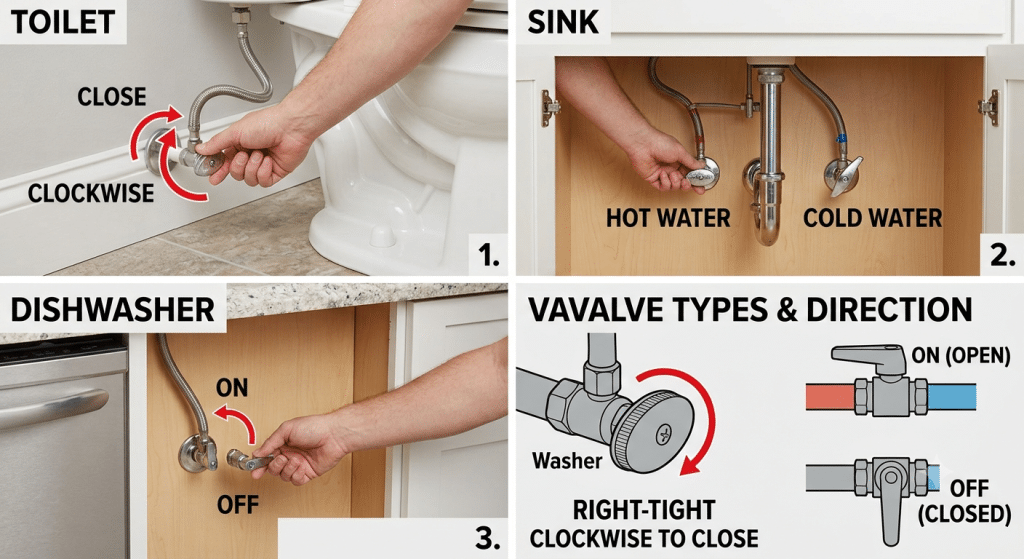
If you can’t find the source, or the local valve is broken, head straight to your home’s main water shut-off. Once the main water is off, open a cold-water faucet on the lowest level of your home to drain the remaining pressure—but only do this if the area is safe and clean.
Finding the Main Valve in Vancouver Homes
In older Vancouver and North Shore detached homes, the main valve is usually in the basement or crawlspace, facing the street where the city line enters. Check near your water heater or furnace. Warning: In older houses, these multi-turn gate valves can be incredibly stiff.
⚠️ STOP if the valve won’t turn!
Do not use a wrench, pipe extension, or your body weight to force a stuck valve. You might snap the handle off, making the situation much worse. Tell our dispatcher the valve is seized so our plumber arrives ready for an emergency valve replacement.
Need city help? The City of Vancouver manages the water main up to your property line. If you need a curb-stop shut-off, check the City’s water shut-off guidance or dial 3-1-1. Please, don’t try to improvise tools at the street curb box.
Condo Dwellers: In-Suite Shut-Offs
If you live in a high-rise in Downtown, Yaletown, or Burnaby, your in-suite shut-off is likely hidden behind a wall access panel in your bathroom, laundry room, or front closet. Close it if safe to do so, then immediately alert your concierge or strata manager.
Never try to close a shared building water riser yourself unless explicitly guided by building management, as this affects your neighbours. (If your shut-off valve is stuck, VPS offers emergency valve replacement across Vancouver).
Step 2: Turn Off Power to Wet Areas Safely
Water and electricity are a deadly combination. A property emergency can instantly become a life-threatening emergency. Never touch a wet outlet, switch, appliance, or extension cord. Do not walk through a puddle to reach your breaker box.
If and only if your electrical panel is bone-dry, the path to it is completely dry, and you know which circuit to flip, turn it off. When in doubt, walk away. BC Hydro strongly advises turning off the main power only when the building is dry.
Evacuate and Call 911 / Emergency Services if:
- You see sparks, arcing, smoke, or fallen wires.
- You smell burning plastic or electrical ozone.
- Water is actively touching your electrical panel, meter, or outlets.
- You have to step into water or touch damp walls to reach the breaker.
Step 3: Document Everything Before You Clean Up
Once you are safe and the water is off, grab your phone. Your insurance company—not your plumber—determines your coverage. While sudden, accidental plumbing failures are often covered, you need proof. Documenting the scene correctly can save you from a denied claim.
The 6 Photos That Save Your Insurance Claim:
- Wide room shots: Capture the full extent of the affected areas from multiple corners.
- The source: A close-up of the burst pipe, broken fitting, or overflowing appliance.
- Standing water: Show how deep it is and where it travelled (stay safe while doing this).
- Damaged belongings: Photograph ruined items, capturing brand names or serial numbers if possible.
- Structural damage: Get detailed and wide shots of soaked floors, bubbling ceilings, and warped trim.
- The shut-off valve: Photograph the closed valve and note the exact time you turned it off.
Pro-Tip: Take a quick video walkthrough, then text yourself a timeline (e.g., “Noticed leak at 2:10 PM, shut off water at 2:14 PM”). This timestamps your actions. According to the Insurance Bureau of Canada, you should keep damaged items (unless they are a biohazard) and save all emergency receipts.
Step 4: Contain the Water Do Not Repair It
Containment means stopping the spread, not fixing the pipe. Put a bucket under the drip. Lay down towels. Move dry furniture out of harm’s way, or put aluminum foil under wooden furniture legs to prevent stains from bleeding into wet carpets.
What NOT to Do While Waiting for the Plumber:
- 🚫 Do not wrap a pressurized pipe in duct tape and assume it’s fixed.
- 🚫 Do not forcefully overtighten unfamiliar plumbing fittings.
- 🚫 Do not start tearing out drywall or ripping up floors. Wait for the restoration pros or insurance adjuster.
- 🚫 Do not throw away damaged belongings yet.
- 🚫 Do not plug in fans or shop-vacs near standing water.
What to Have Ready When You Call VPS
A clear phone call helps our dispatch team send the right technician with the right tools instantly. Have this info ready when you call for better help:
- Your exact address, unit number, and gate/buzzer codes.
- Is the water shut off, or is it still flowing?
- Where is the water coming from? (Is it clean tap water, or sewage?)
- Is water near any electrical sources?
- Are you in a detached house, townhouse, or condo?
Frequently Asked Questions
Should I shut off the water before calling a plumber?
Absolutely yes, if you can do it safely. Close the fixture’s local shut-off or the home’s main valve. Never walk through standing water to do this. Once the water stops, call your emergency plumber.
Where is the main water shut-off valve in a Vancouver house?
Usually in the basement or crawlspace on the street-facing wall. Check near your water heater or utility closet. Turn wheel valves clockwise. Never force a stuck valve!
What if the shut-off valve won’t turn?
Stop forcing it. A seized valve can snap, causing a bigger flood. Contain the water with towels and buckets, move valuables, and tell your emergency plumber immediately that the main is stuck.
How much does an emergency plumber cost in Vancouver?
Costs depend on the time of day, access difficulty, and materials needed. VPS offers transparent pricing; you can review our current service ranges in our Vancouver plumbing cost guide.
I live in a condo. Do I call strata or a plumber first?
Stop the water first (using your in-suite valve) if safe, then contact both. Your strata needs to know in case shared risers are affected or downstairs neighbours have water ingress. We handle the physical repair inside your unit and document the failure for your insurance.